Unleashing your inner rhythms: The power of self-study in African dance
Category : | Sub Category : Posted on 2023-10-30 21:24:53
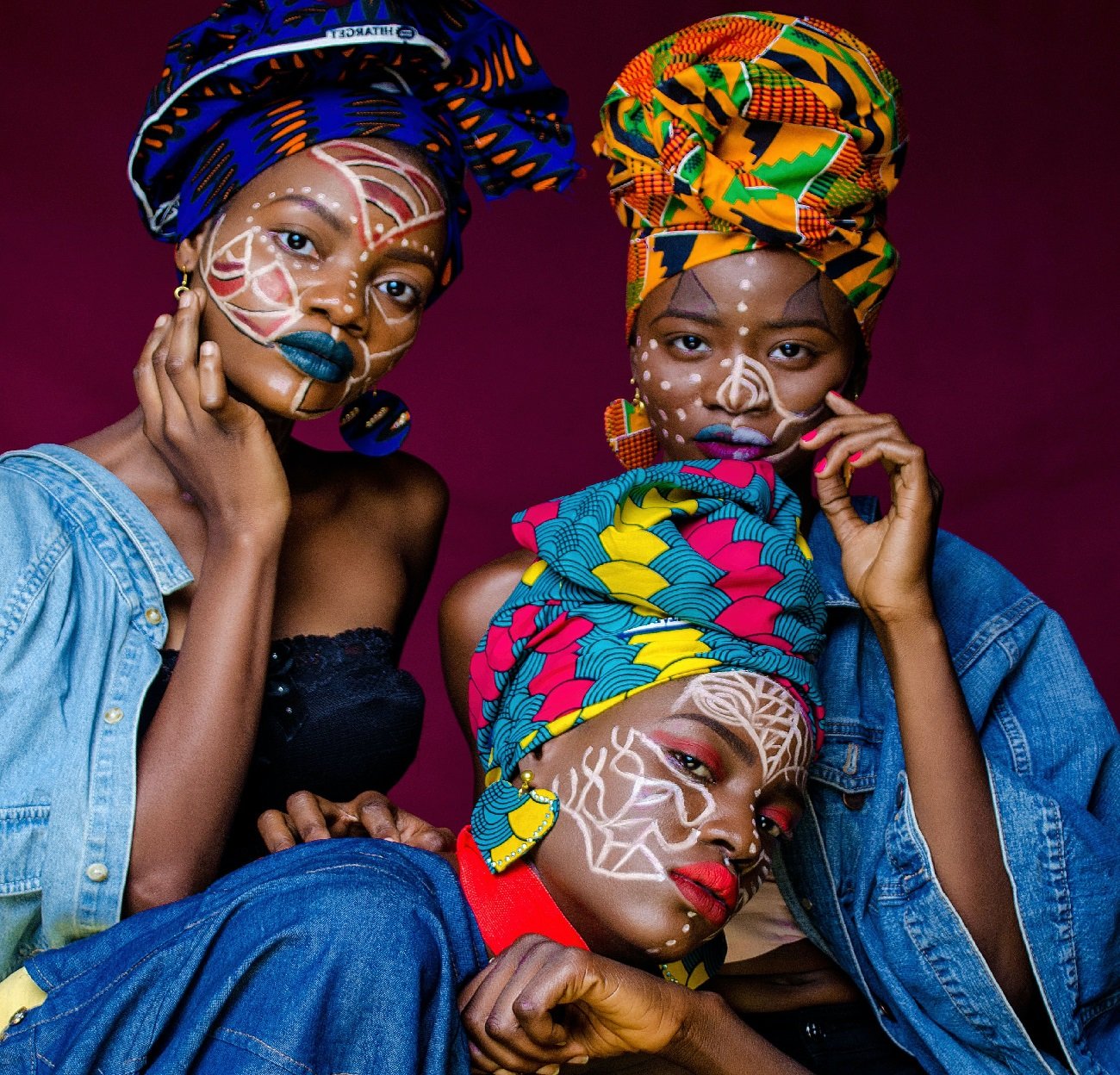
Introduction: Dance has always been an integral part of African culture, serving as a form of expression, storytelling, and connection. African dance is rich in history, traditions, and diverse styles that reflect the vibrant heritage of the continent. While taking formal classes and joining dance groups are fantastic ways to learn African dance, there is another equally rewarding path to explore self-study. In this blog post, we will delve into the beauty and benefits of self-study in African dance, empowering you to embark on a personal journey to unleash your inner rhythms. 1. Understanding the roots: Before delving into self-study, it is essential to grasp the essence of African dance. African dance is deeply rooted in culture, spirituality, and the connection to the natural world. Digging into the history and cultural significance of the dance styles you are interested in will add authenticity and depth to your self-study journey. Explore books, documentaries, and online resources to uncover the stories behind each movement, instrument, and rhythm. 2. Building a foundation: Like any dance form, African dance has foundational movements that serve as a base for further exploration. Begin your self-study journey by mastering these fundamental steps and movements. YouTube tutorials, instructional DVDs, or online courses can be valuable resources for learning these basics at your own pace. Remember to focus on body awareness, posture, and understanding the relationship between movement and rhythm. 3. Embracing the rhythms: Rhythm is the heartbeat of African dance, infusing each movement with life and energy. Immersing yourself in the vibrant rhythms of African drumming and music will greatly enhance your self-study experience. Seek out recordings, attend live performances, or even try your hand at learning to play African percussion instruments. By embodying the rhythms, you will develop a deeper connection to the dance and gain an innate sense of timing and musicality. 4. Exploring regional styles: Africa is a diverse continent, with each region having its own unique dance styles and traditions. Use self-study as an opportunity to explore the range and diversity within African dance. Research and immerse yourself in various regional styles, such as West African, Central African, or Southern African dance. Each style brings its own distinct movements, cultural nuances, and storytelling elements. By broadening your repertoire, you will experience the richness and diversity of African dance. 5. Recording and observing: An essential aspect of self-study is self-reflection. Set up a mirror or record yourself during practice sessions to observe your movements objectively. Pay attention to your posture, alignment, and execution of steps. By observing yourself, you can identify areas for improvement and make necessary adjustments. Additionally, analyze videos of professional dancers to gain inspiration and learn from their technique and style. 6. Sharing and seeking feedback: While self-study primarily involves learning independently, it is essential to seek external feedback to fuel growth. Connect with other African dance enthusiasts, join online communities, or participate in workshops to share your progress and receive constructive criticism. Collaborating with like-minded individuals will not only inspire you but also expose you to differing perspectives and styles. Conclusion: Embarking on a self-study journey in African dance can be a rewarding and transformative experience. By delving into the roots, mastering foundations, embracing rhythms, exploring regional styles, observing yourself, and seeking feedback, you will discover the sheer beauty and depth of this vibrant art form. Self-study allows you to personalize your journey as you connect with your inner rhythms and express your unique interpretation of African dance. So put on your dancing shoes, unlock your creativity, and let African dance guide you on an unforgettable self-study adventure.
Leave a Comment:
SEARCH
Recent News
- Zurich, Switzerland is a vibrant city known for its rich cultural scene and diverse music offerings. One unique aspect of Zurich's music scene is the presence of Sudanese music, which has found a home in the city's melting pot of cultures.
- Zurich, Switzerland is a vibrant city known for its picturesque landscapes, rich history, and diverse cultural scene. One fascinating aspect of Zurich's cultural tapestry is the influence of Sudanese culture in the city.
- Zurich, Switzerland is known for its multicultural atmosphere and diverse culinary scene. One of the lesser-known gems of Zurich's food scene is Sudanese cuisine. Sudanese cuisine is a reflection of the country's diverse cultural influences, blending Arabic, African, and Mediterranean flavors to create a unique and delicious culinary experience.
- Zurich, Switzerland, is a vibrant city known for its scenic beauty, rich history, and thriving business environment. One interesting aspect of Zurich's business landscape is the presence of Sudanese entrepreneurs who have made their mark in various industries in the city.
- Visiting Zurich, Switzerland, can be an enriching experience for music lovers from all corners of the world. While the city may not be the first place that comes to mind when thinking about South African music, Zurich's diverse music scene offers a glimpse into the vibrant sounds of this African nation.
- Zurich, Switzerland: A Hub for Libyan Trade
- Zurich, Switzerland is a city known for its picturesque landscapes, high quality of life, and thriving economy. Recently, Zurich has also been making headlines in the energy sector with its growing interest and investment in Libyan energy resources.
- Zurich, Switzerland is a vibrant city known for its high quality of life, scenic beauty, and strong economy. This makes it an attractive destination for businesses from all over the world, including those from Libya.
READ MORE
11 months ago Category :

Zurich, Switzerland is a vibrant city known for its rich cultural scene and diverse music offerings. One unique aspect of Zurich's music scene is the presence of Sudanese music, which has found a home in the city's melting pot of cultures.
Read More →11 months ago Category :

Zurich, Switzerland is a vibrant city known for its picturesque landscapes, rich history, and diverse cultural scene. One fascinating aspect of Zurich's cultural tapestry is the influence of Sudanese culture in the city.
Read More →11 months ago Category :

Zurich, Switzerland is known for its multicultural atmosphere and diverse culinary scene. One of the lesser-known gems of Zurich's food scene is Sudanese cuisine. Sudanese cuisine is a reflection of the country's diverse cultural influences, blending Arabic, African, and Mediterranean flavors to create a unique and delicious culinary experience.
Read More →11 months ago Category :
