When Robotics Meets African Dance: Innovating the Art Form Through Technology
Category : | Sub Category : Posted on 2023-10-30 21:24:53
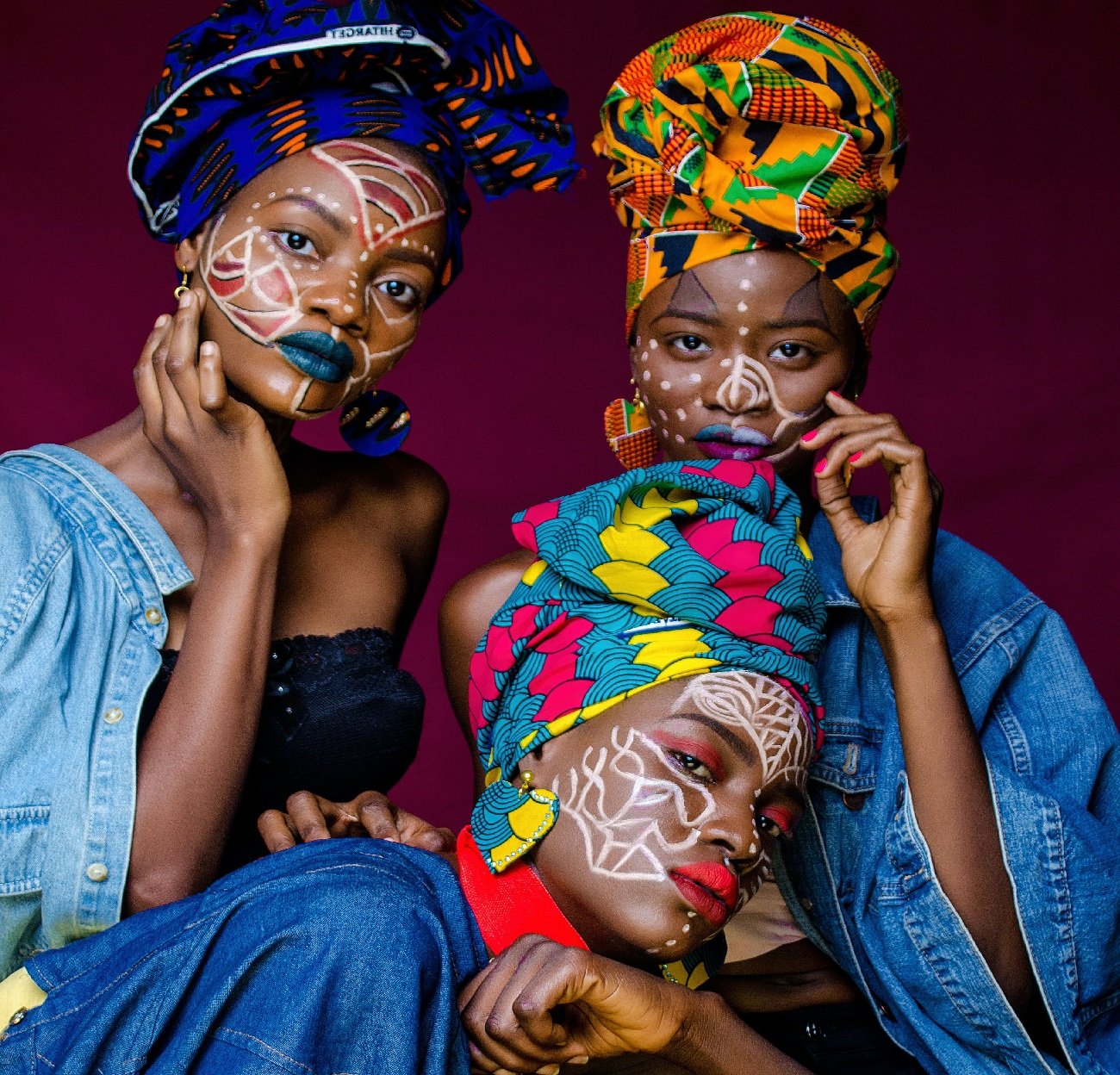
Introduction: When we think of African dance, we picture a rich cultural heritage, vibrant movements, and a celebration of community. However, in recent years, another element has been fused with this art form - robotics. By combining the grace and rhythm of African dance with cutting-edge technology, innovators are pushing the boundaries of creativity and revolutionizing traditional dance forms. In this blog post, we will explore the intersection of robotics and African dance, and how this fusion is creating a new dynamic in the world of performing arts. 1. Preserving Tradition: African dance is deeply rooted in tradition and cultural heritage. One might wonder how the introduction of robotics fits into this narrative. Rather than replacing the authenticity and essence of traditional African dance, robotics is being used to enhance and preserve the cultural richness it brings. Through the incorporation of robotic elements such as mechanical limbs or exoskeletons, dancers can access enhanced agility and perform movements that were previously unattainable, while staying true to the core values and techniques of African dance. 2. Pushing the Boundaries of Creativity: With the integration of robotics, African dance is experiencing a new wave of creativity. By embracing technology, dancers and choreographers have the freedom to experiment with movements and aesthetic possibilities. Robotic limbs can replicate the fluidity and speed of traditional African dance, adding an otherworldly element to the performance. This fusion allows for creating unique dance routines that challenge the perception of what is possible on a traditional stage. 3. Collaboration and Cultural Exchange: The marriage of robotics and African dance has also paved the way for collaborations between technologists and traditional dancers. Engineers and programmers are now working alongside renowned African dance instructors and performers, enhancing their understanding of the art form while applying their technical expertise. This exchange of knowledge and skills propels the growth of both disciplines and encourages innovation in ways that were previously unimaginable. 4. Education and Outreach: Another significant impact of incorporating robotics into African dance is its potential for education and outreach purposes. By using robotic technology, traditional African dance can be made more accessible to a wider audience. Through virtual reality and augmented reality, people can experience African dance performances from anywhere in the world. This not only spreads cultural awareness but also allows for cultural exchange, breaking down geographical barriers and fostering a global community. Conclusion: The fusion of robotics and African dance illustrates how technology can enhance and revolutionize traditional art forms. Preserving the rich cultural heritage of African dance while pushing the boundaries of creativity, this collaboration is creating a new frontier in the world of performing arts. By embracing technology, African dance is reaching new audiences, breaking down barriers, and fostering a sense of unity and connection across the globe. As we move forward, it is exciting to witness how this fusion will continue to evolve, enriching the world of dance and showcasing the limitless possibilities at the intersection of tradition and innovation. Expand your knowledge by perusing http://www.pxrobotics.com
Leave a Comment:
SEARCH
Recent News
- Zurich, Switzerland is a vibrant city known for its rich cultural scene and diverse music offerings. One unique aspect of Zurich's music scene is the presence of Sudanese music, which has found a home in the city's melting pot of cultures.
- Zurich, Switzerland is a vibrant city known for its picturesque landscapes, rich history, and diverse cultural scene. One fascinating aspect of Zurich's cultural tapestry is the influence of Sudanese culture in the city.
- Zurich, Switzerland is known for its multicultural atmosphere and diverse culinary scene. One of the lesser-known gems of Zurich's food scene is Sudanese cuisine. Sudanese cuisine is a reflection of the country's diverse cultural influences, blending Arabic, African, and Mediterranean flavors to create a unique and delicious culinary experience.
- Zurich, Switzerland, is a vibrant city known for its scenic beauty, rich history, and thriving business environment. One interesting aspect of Zurich's business landscape is the presence of Sudanese entrepreneurs who have made their mark in various industries in the city.
- Visiting Zurich, Switzerland, can be an enriching experience for music lovers from all corners of the world. While the city may not be the first place that comes to mind when thinking about South African music, Zurich's diverse music scene offers a glimpse into the vibrant sounds of this African nation.
- Zurich, Switzerland: A Hub for Libyan Trade
- Zurich, Switzerland is a city known for its picturesque landscapes, high quality of life, and thriving economy. Recently, Zurich has also been making headlines in the energy sector with its growing interest and investment in Libyan energy resources.
- Zurich, Switzerland is a vibrant city known for its high quality of life, scenic beauty, and strong economy. This makes it an attractive destination for businesses from all over the world, including those from Libya.
READ MORE
11 months ago Category :

Zurich, Switzerland is a vibrant city known for its rich cultural scene and diverse music offerings. One unique aspect of Zurich's music scene is the presence of Sudanese music, which has found a home in the city's melting pot of cultures.
Read More →11 months ago Category :

Zurich, Switzerland is a vibrant city known for its picturesque landscapes, rich history, and diverse cultural scene. One fascinating aspect of Zurich's cultural tapestry is the influence of Sudanese culture in the city.
Read More →11 months ago Category :

Zurich, Switzerland is known for its multicultural atmosphere and diverse culinary scene. One of the lesser-known gems of Zurich's food scene is Sudanese cuisine. Sudanese cuisine is a reflection of the country's diverse cultural influences, blending Arabic, African, and Mediterranean flavors to create a unique and delicious culinary experience.
Read More →11 months ago Category :
