Exploring the Rich and Vibrant World of Arab-African Dance
Category : | Sub Category : Posted on 2023-10-30 21:24:53
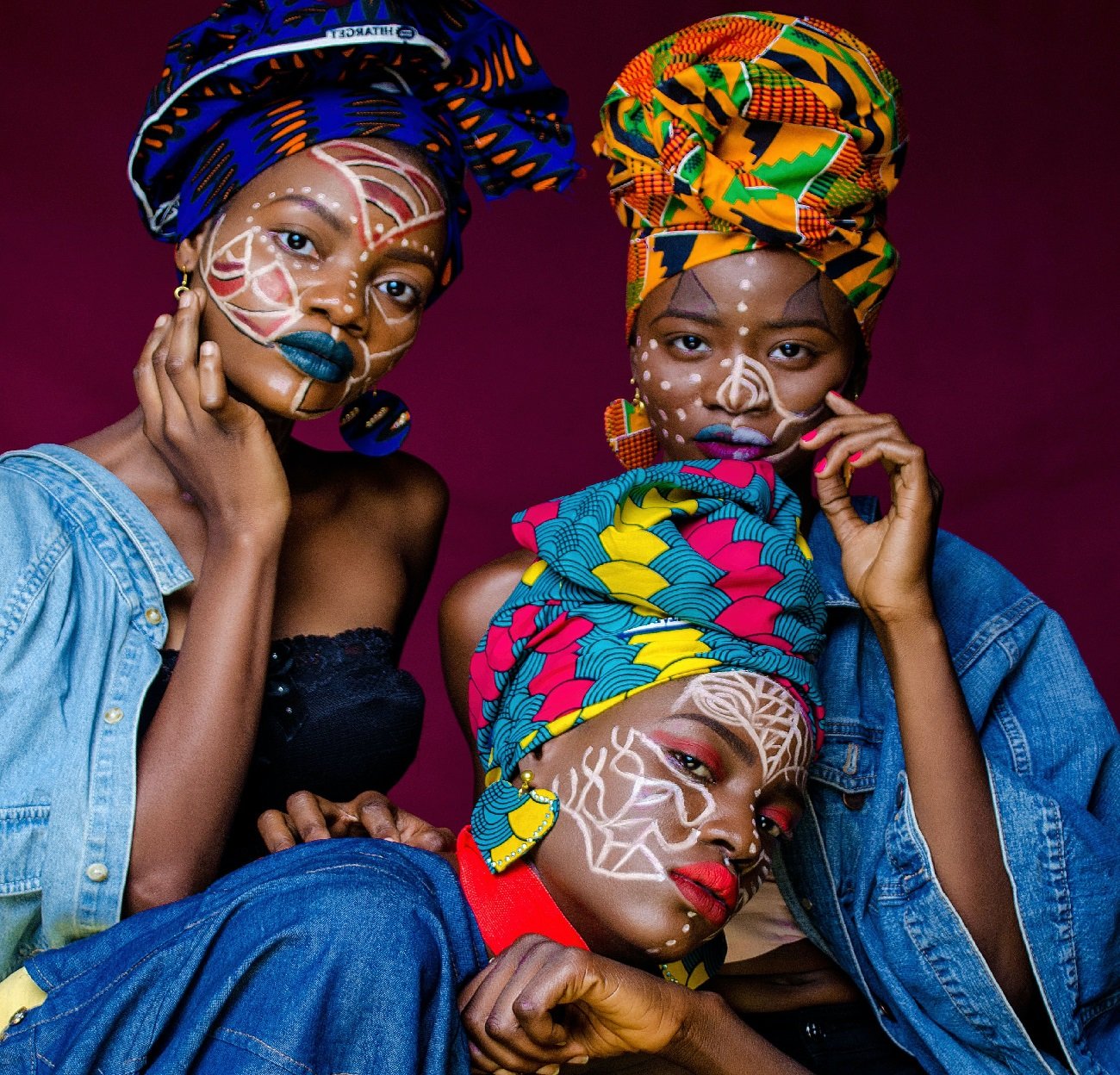
Introduction: Dance is often referred to as a universal language that transcends cultural boundaries. It is a powerful medium of expression that connects people and celebrates the diversity of our world. In this blog post, we will dive into the captivating realm of Arab-African dance, a fusion of two vibrant cultures that blends traditional movements, rhythms, and storytelling to create an enchanting art form. 1. The Origins of Arab-African Dance: Arab-African dance emerged at the crossroads of Africa and the Arab world, where cultural exchange has been ongoing for centuries. The African continent has a rich diversity of dance forms, each with its unique movements and symbolism, while the Arab world boasts a long-standing tradition of graceful and intricate dances. The fusion of these two cultures gave birth to a captivating dance style that mesmerizes audiences worldwide. 2. Key Elements and Characteristics: Arab-African dance combines the rhythmic sensibilities of African dance with the expressive elegance of Arab movements. It incorporates elements such as hip isolations, intricate footwork, fluid arm movements, and intricate hand gestures. The dance form is characterized by rapid shifts in tempo and dynamic energy, often narrating stories and expressing emotions through body language. 3. Popular Arab-African Dance Styles: a) Raqs Sharki: Known as Oriental or Belly Dance, Raqs Sharki is one of the most well-known styles of Arab-African dance. It originated in Egypt and is characterized by graceful undulations of the hips, fluid arm movements, and intricate shimmies. b) African Tribal Dances: The rich tapestry of Africa is home to numerous tribal dances that incorporate elements of storytelling, rituals, and celebrations. These dances often involve intricate footwork, vibrant body movements, and lively drumming rhythms. c) Afro-Arabic Contemporary Dance: This modern fusion dance style takes inspiration from traditional African and Arab dances, infusing them with contemporary movements and music. It creates a compelling blend of old and new, showcasing the evolution of Arab-African dance in the modern world. 4. Cultural Significance: Arab-African dance holds great cultural significance for both communities. It serves as a way to preserve and pass down cultural traditions, telling stories of ancient customs and societal values. Dance also plays a crucial role in community gatherings, weddings, and celebrations, bringing people together in joyous harmony. 5. Global Impact and Appreciation: In recent years, Arab-African dance has gained global recognition, captivating audiences worldwide. Its infectious rhythms, passionate movements, and intricate choreography have inspired dancers and choreographers from various disciplines. Moreover, the rise of social media platforms and international dance festivals has provided a platform for artists to showcase their talent, generating a greater appreciation for this unique dance form. Conclusion: Arab-African dance is a mesmerizing fusion that encapsulates the rich cultural heritage of both Africa and the Arab world. Its dynamic movements and compelling storytelling have allowed it to transcend borders and captivate audiences worldwide. As we continue to embrace the beauty of diverse art forms, let us celebrate the rich legacy of Arab-African dance and the profound connections it forges between cultures. Find expert opinions in http://www.onlinebanat.com
Leave a Comment:
SEARCH
Recent News
- Zurich, Switzerland is a vibrant city known for its rich cultural scene and diverse music offerings. One unique aspect of Zurich's music scene is the presence of Sudanese music, which has found a home in the city's melting pot of cultures.
- Zurich, Switzerland is a vibrant city known for its picturesque landscapes, rich history, and diverse cultural scene. One fascinating aspect of Zurich's cultural tapestry is the influence of Sudanese culture in the city.
- Zurich, Switzerland is known for its multicultural atmosphere and diverse culinary scene. One of the lesser-known gems of Zurich's food scene is Sudanese cuisine. Sudanese cuisine is a reflection of the country's diverse cultural influences, blending Arabic, African, and Mediterranean flavors to create a unique and delicious culinary experience.
- Zurich, Switzerland, is a vibrant city known for its scenic beauty, rich history, and thriving business environment. One interesting aspect of Zurich's business landscape is the presence of Sudanese entrepreneurs who have made their mark in various industries in the city.
- Visiting Zurich, Switzerland, can be an enriching experience for music lovers from all corners of the world. While the city may not be the first place that comes to mind when thinking about South African music, Zurich's diverse music scene offers a glimpse into the vibrant sounds of this African nation.
- Zurich, Switzerland: A Hub for Libyan Trade
- Zurich, Switzerland is a city known for its picturesque landscapes, high quality of life, and thriving economy. Recently, Zurich has also been making headlines in the energy sector with its growing interest and investment in Libyan energy resources.
- Zurich, Switzerland is a vibrant city known for its high quality of life, scenic beauty, and strong economy. This makes it an attractive destination for businesses from all over the world, including those from Libya.
READ MORE
10 months ago Category :

Zurich, Switzerland is a vibrant city known for its rich cultural scene and diverse music offerings. One unique aspect of Zurich's music scene is the presence of Sudanese music, which has found a home in the city's melting pot of cultures.
Read More →10 months ago Category :

Zurich, Switzerland is a vibrant city known for its picturesque landscapes, rich history, and diverse cultural scene. One fascinating aspect of Zurich's cultural tapestry is the influence of Sudanese culture in the city.
Read More →10 months ago Category :

Zurich, Switzerland is known for its multicultural atmosphere and diverse culinary scene. One of the lesser-known gems of Zurich's food scene is Sudanese cuisine. Sudanese cuisine is a reflection of the country's diverse cultural influences, blending Arabic, African, and Mediterranean flavors to create a unique and delicious culinary experience.
Read More →10 months ago Category :
