Debunking Historical Misconceptions About Africa
Category : | Sub Category : Posted on 2023-10-30 21:24:53
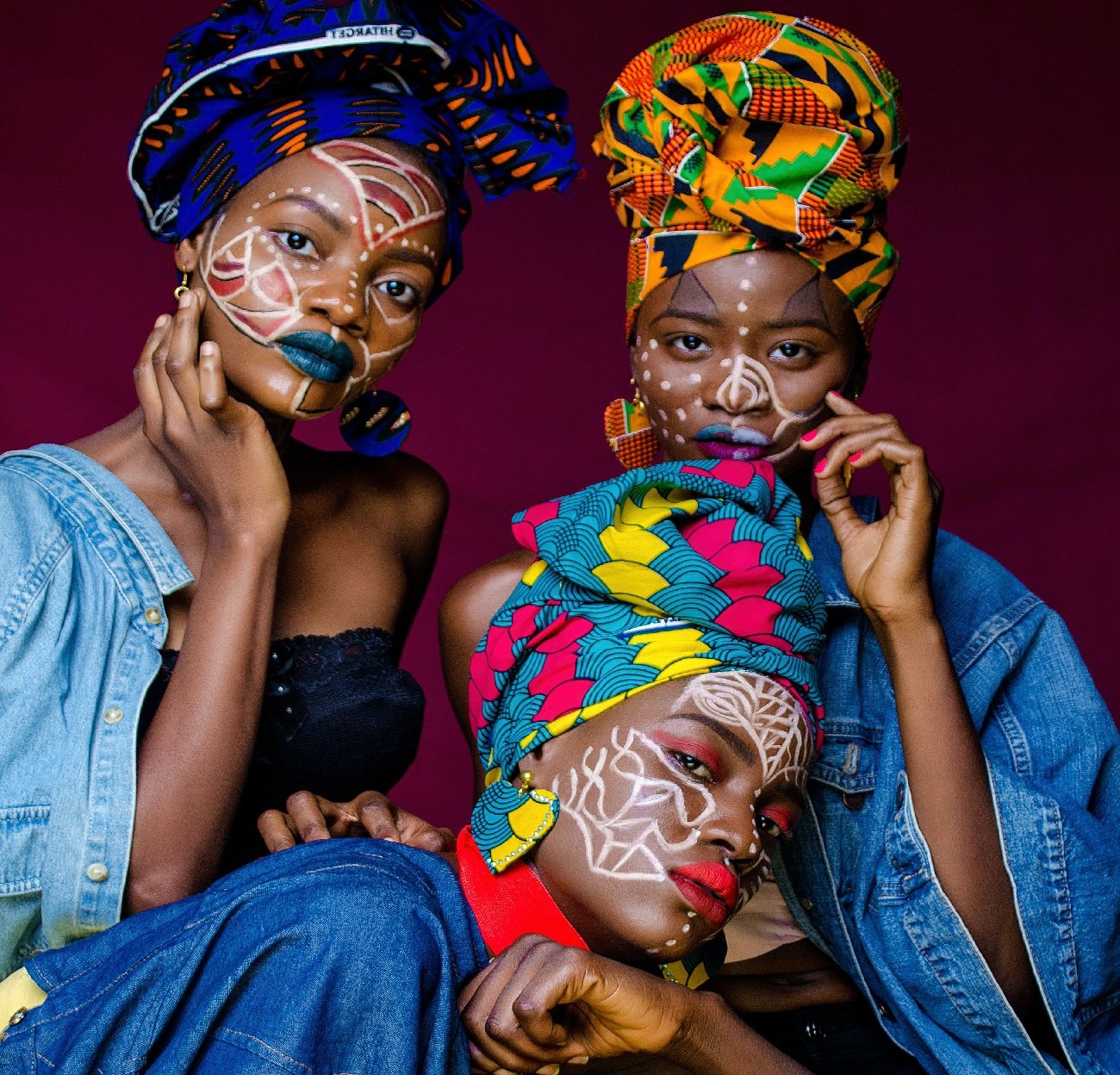
Introduction: Africa, a continent known for its rich cultural heritage and diverse landscapes, has often been subject to countless historical misconceptions. These misconceptions have contributed to the portrayal of Africa as a monolithic entity, characterized by poverty, disease, and tribal conflicts. In reality, Africa's history is far more complex and fascinating than these simplistic stereotypes suggest. In this blog post, we aim to shed light on some of these historical misconceptions and provide a more nuanced understanding of Africa's past. 1. Africa has a long and advanced history: Contrary to popular belief, Africa is not a land devoid of history before European colonization. The continent is home to some of the earliest recorded civilizations, such as the Ancient Egyptians, who built towering pyramids and developed a sophisticated writing system. The Kingdom of Kush, located in present-day Sudan, was an empire that rivaled ancient Egypt in its power and influence. The Great Zimbabwe, an immense stone complex in modern-day Zimbabwe, stands as a testament to the impressive architectural achievements of its inhabitants. 2. African history is not solely defined by slavery: While the transatlantic slave trade was undoubtedly a devastating chapter in African history, it is important to remember that Africa's story extends far beyond this period. Africa has a legacy of thriving trade networks, vibrant art and culture, and powerful empires, such as the Ghana Empire, Mali Empire, and Songhai Empire. These empires controlled vast territories and were centers of learning, attracting scholars and traders from across the world. 3. Africa's contributions to the world: Africa's historical contributions to various fields are often overlooked. For instance, in the field of mathematics, ancient Egyptians made significant advancements, including the development of a numeral system and geometric principles. In medicine, the root of modern surgical practices can be traced back to the pioneering work of ancient Egyptian physicians. African civilizations also excelled in art, with intricate sculptures and paintings showcasing their creativity and cultural expression. 4. Africa's linguistic diversity: Africa is home to over 2,000 languages, making it the most linguistically diverse continent in the world. Each language encapsulates a unique cultural heritage and carries the stories, traditions, and knowledge of its speakers. From Swahili in East Africa to Yoruba in West Africa, the linguistic landscape of Africa is a testament to the continent's diversity and rich heritage. Conclusion: Understanding Africa's history requires moving beyond simplistic narratives and dispelling misconceptions that have persisted for too long. By recognizing Africa's advanced civilizations, vibrant cultural heritage, and contributions to the world, we can begin to appreciate the continent's immense historical significance. It is through this lens of understanding that we can foster a more accurate and respectful portrayal of Africa and its rich historical tapestry. Want to know more? Don't forget to read: http://www.semifake.com
Leave a Comment:
SEARCH
Recent News
- Zurich, Switzerland is a vibrant city known for its rich cultural scene and diverse music offerings. One unique aspect of Zurich's music scene is the presence of Sudanese music, which has found a home in the city's melting pot of cultures.
- Zurich, Switzerland is a vibrant city known for its picturesque landscapes, rich history, and diverse cultural scene. One fascinating aspect of Zurich's cultural tapestry is the influence of Sudanese culture in the city.
- Zurich, Switzerland is known for its multicultural atmosphere and diverse culinary scene. One of the lesser-known gems of Zurich's food scene is Sudanese cuisine. Sudanese cuisine is a reflection of the country's diverse cultural influences, blending Arabic, African, and Mediterranean flavors to create a unique and delicious culinary experience.
- Zurich, Switzerland, is a vibrant city known for its scenic beauty, rich history, and thriving business environment. One interesting aspect of Zurich's business landscape is the presence of Sudanese entrepreneurs who have made their mark in various industries in the city.
- Visiting Zurich, Switzerland, can be an enriching experience for music lovers from all corners of the world. While the city may not be the first place that comes to mind when thinking about South African music, Zurich's diverse music scene offers a glimpse into the vibrant sounds of this African nation.
- Zurich, Switzerland: A Hub for Libyan Trade
- Zurich, Switzerland is a city known for its picturesque landscapes, high quality of life, and thriving economy. Recently, Zurich has also been making headlines in the energy sector with its growing interest and investment in Libyan energy resources.
- Zurich, Switzerland is a vibrant city known for its high quality of life, scenic beauty, and strong economy. This makes it an attractive destination for businesses from all over the world, including those from Libya.
READ MORE
10 months ago Category :

Zurich, Switzerland is a vibrant city known for its rich cultural scene and diverse music offerings. One unique aspect of Zurich's music scene is the presence of Sudanese music, which has found a home in the city's melting pot of cultures.
Read More →10 months ago Category :

Zurich, Switzerland is a vibrant city known for its picturesque landscapes, rich history, and diverse cultural scene. One fascinating aspect of Zurich's cultural tapestry is the influence of Sudanese culture in the city.
Read More →10 months ago Category :

Zurich, Switzerland is known for its multicultural atmosphere and diverse culinary scene. One of the lesser-known gems of Zurich's food scene is Sudanese cuisine. Sudanese cuisine is a reflection of the country's diverse cultural influences, blending Arabic, African, and Mediterranean flavors to create a unique and delicious culinary experience.
Read More →10 months ago Category :
