Deepfake Technology: Exploring its Impact on Africa
Category : | Sub Category : Posted on 2023-10-30 21:24:53
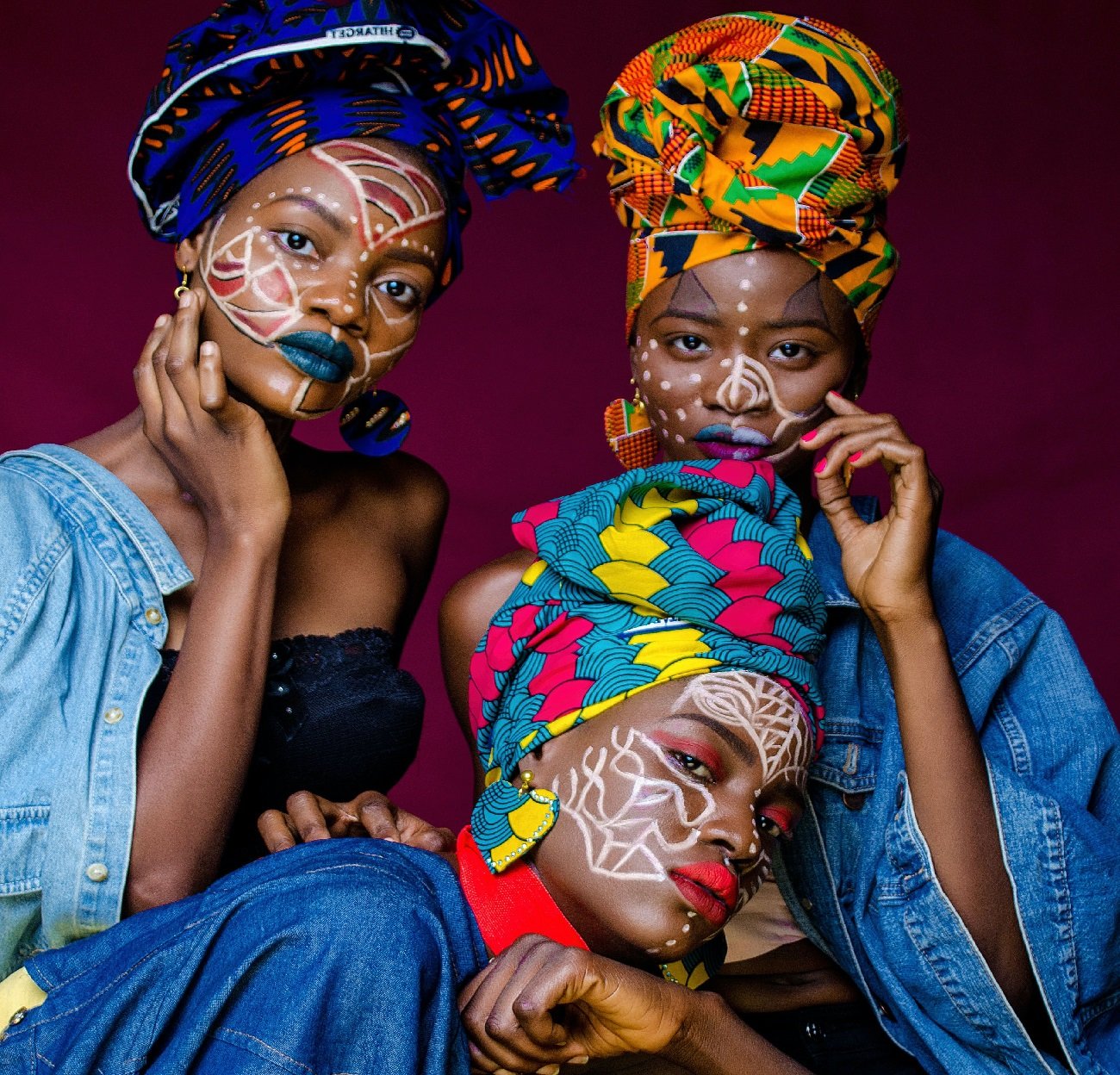
Introduction: In recent years, deepfake technology has gained significant attention worldwide for its potential to manipulate and alter digital content, raising concerns about the spread of misinformation and the erosion of trust. Africa, with its diverse cultural landscape and growing digital sector, is not immune to the influence of this technology. In this blog post, we will delve into the world of deepfakes, exploring their implications and the challenges they pose for the African context. What is Deepfake Technology? Deepfake technology utilizes artificial intelligence (AI) to create hyper-realistic manipulated videos, images, or audio content. By combining machine learning algorithms with large datasets, deepfakes can convincingly replace one person's face or voice with another's, often resulting in deceptive and misleading content. The Impact of Deepfakes in Africa: 1. Elections and Politics: Deepfakes have the potential to disrupt democratic processes in Africa, particularly during elections, where the spread of manipulated content could sway public opinion or create disinformation campaigns. This makes it crucial for governments and citizens alike to be vigilant about verifying information sources and promoting media literacy. 2. Cultural Preservation: Africa's rich cultural heritage is a source of great pride, but deepfake technology could undermine efforts to preserve and protect it. Traditional dance, music, and storytelling may become targets for misuse, leading to the distortion of heritage and eroding cultural authenticity. 3. Media Integrity: African media organizations face the challenge of combating deepfake technology's impact on news reporting and journalistic integrity. With deepfakes becoming increasingly sophisticated, journalists must be equipped with the skills and tools necessary to authenticate media content and combat the spread of misinformation. 4. Security and Crime: Deepfake technology has the potential for misuse in the realms of security and crime. Africa, like any other continent, could face challenges with identity theft, financial fraud, and other criminal activities that exploit deepfake technology. Combating the Deepfake Challenge: 1. Technological Solutions: Researchers and technologists are actively developing tools and techniques to detect deepfakes. African policymakers and innovators should collaborate to ensure that these solutions are adapted to local needs and specific challenges faced by the continent. 2. Public Awareness and Education: Raising awareness about deepfake technology through educational campaigns can empower African citizens to be critical consumers of digital content. Media literacy programs should be implemented to equip individuals with the skills to discern between authentic and manipulated media. 3. Collaborative International Efforts: Addressing the deepfake challenge requires collective action on a global scale. Africa should partner with international organizations, academic institutions, and technology companies to share knowledge, resources, and best practices in combating the spread of deepfakes. Conclusion: Deepfake technology poses unique challenges to Africa's digital landscape, affecting various aspects of society, from politics to culture and media integrity. By remaining proactive and adopting a multi-faceted approach that combines technological solutions, public awareness, and international collaboration, Africa can mitigate the potential harm caused by deepfakes. Embracing the opportunities presented by these innovative technologies while remaining prepared for their risks will be crucial in safeguarding Africa's digital future. Find expert opinions in http://www.semifake.com
Leave a Comment:
SEARCH
Recent News
- Zurich, Switzerland is a vibrant city known for its rich cultural scene and diverse music offerings. One unique aspect of Zurich's music scene is the presence of Sudanese music, which has found a home in the city's melting pot of cultures.
- Zurich, Switzerland is a vibrant city known for its picturesque landscapes, rich history, and diverse cultural scene. One fascinating aspect of Zurich's cultural tapestry is the influence of Sudanese culture in the city.
- Zurich, Switzerland is known for its multicultural atmosphere and diverse culinary scene. One of the lesser-known gems of Zurich's food scene is Sudanese cuisine. Sudanese cuisine is a reflection of the country's diverse cultural influences, blending Arabic, African, and Mediterranean flavors to create a unique and delicious culinary experience.
- Zurich, Switzerland, is a vibrant city known for its scenic beauty, rich history, and thriving business environment. One interesting aspect of Zurich's business landscape is the presence of Sudanese entrepreneurs who have made their mark in various industries in the city.
- Visiting Zurich, Switzerland, can be an enriching experience for music lovers from all corners of the world. While the city may not be the first place that comes to mind when thinking about South African music, Zurich's diverse music scene offers a glimpse into the vibrant sounds of this African nation.
- Zurich, Switzerland: A Hub for Libyan Trade
- Zurich, Switzerland is a city known for its picturesque landscapes, high quality of life, and thriving economy. Recently, Zurich has also been making headlines in the energy sector with its growing interest and investment in Libyan energy resources.
- Zurich, Switzerland is a vibrant city known for its high quality of life, scenic beauty, and strong economy. This makes it an attractive destination for businesses from all over the world, including those from Libya.
READ MORE
10 months ago Category :

Zurich, Switzerland is a vibrant city known for its rich cultural scene and diverse music offerings. One unique aspect of Zurich's music scene is the presence of Sudanese music, which has found a home in the city's melting pot of cultures.
Read More →10 months ago Category :

Zurich, Switzerland is a vibrant city known for its picturesque landscapes, rich history, and diverse cultural scene. One fascinating aspect of Zurich's cultural tapestry is the influence of Sudanese culture in the city.
Read More →10 months ago Category :

Zurich, Switzerland is known for its multicultural atmosphere and diverse culinary scene. One of the lesser-known gems of Zurich's food scene is Sudanese cuisine. Sudanese cuisine is a reflection of the country's diverse cultural influences, blending Arabic, African, and Mediterranean flavors to create a unique and delicious culinary experience.
Read More →10 months ago Category :
