Preserving Africa's Rich Cultural Heritage: The Importance of Cultural Preservation
Category : | Sub Category : Posted on 2023-10-30 21:24:53
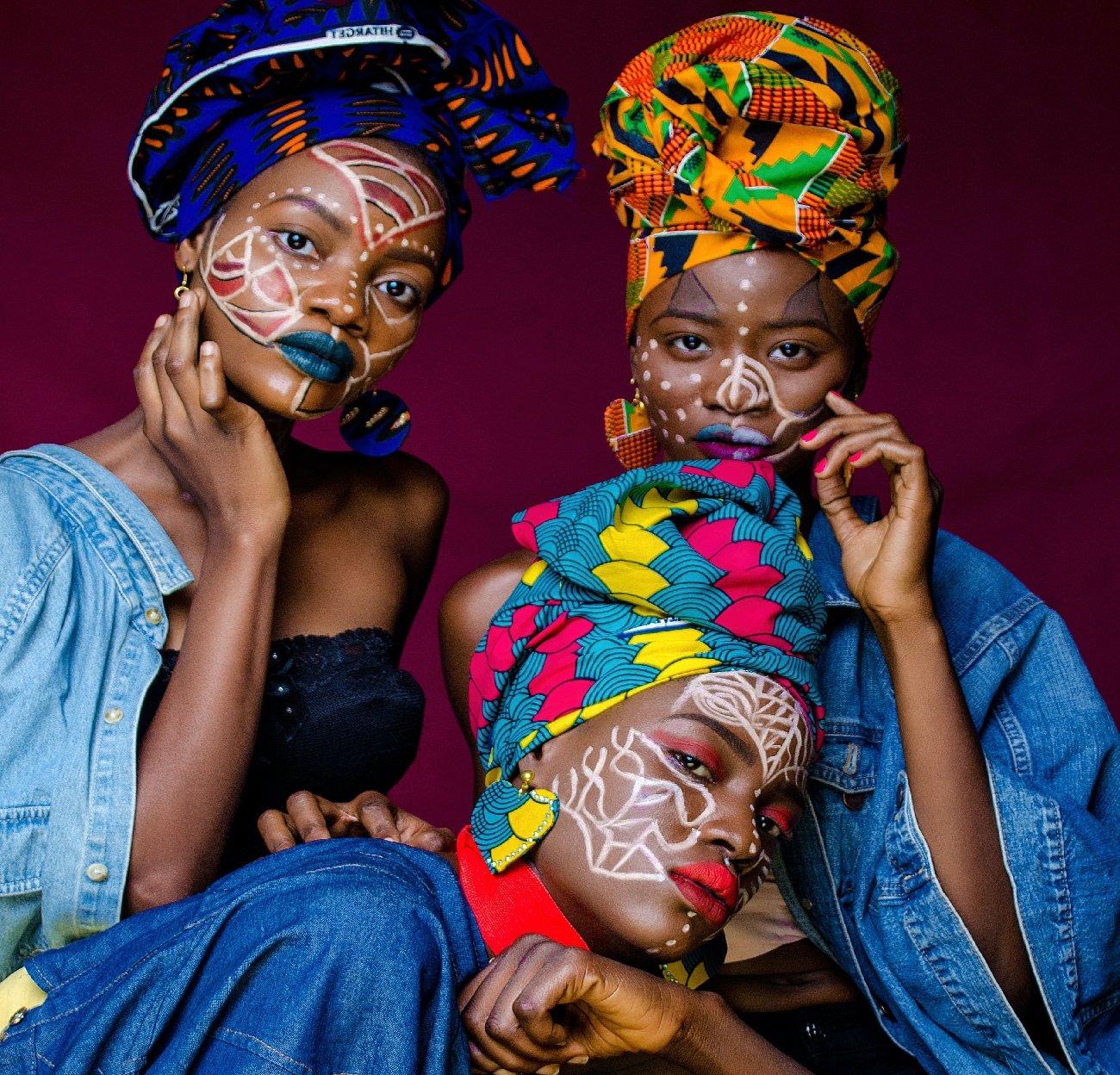
Introduction: Africa is renowned for its diverse and vibrant cultures, which have been shaped by centuries of history and traditions. From the rhythmic beats of traditional drumming to the elaborate tribal art and intriguing folklore, these cultural aspects are what make Africa truly unique. However, in a rapidly changing world, the preservation of African cultural heritage has become an imperative task. In this blog post, we will explore the importance of cultural preservation in Africa and the efforts being made to safeguard these precious treasures for future generations. 1. Identity and Pride: One of the key reasons cultural preservation is crucial is the preservation of African identity. Cultural practices, rituals, and traditions define the identity of a community or nation, allowing for a sense of belonging and unity. From the ancient pyramids of Egypt to the vibrant Maasai tribe of East Africa, the preservation of these cultural practices ensures that Africans have a deep sense of pride in their heritage, fostering a strong cultural identity. 2. Retaining Traditional Knowledge: Africa is home to a wealth of traditional knowledge passed down through generations. From herbal medicine to sustainable farming techniques, this knowledge is invaluable in addressing modern challenges. By preserving African culture, we also preserve the traditional knowledge, wisdom, and skills that have been honed over centuries. This can contribute to sustainable development, innovation, and the wellbeing of communities across the continent. 3. Tourism and Economic Opportunities: Another compelling reason to preserve Africa's cultural heritage is the potential for tourism and economic growth. People from all over the world are drawn to Africa's rich cultural tapestry, seeking authentic experiences that connect them to the continent's history and traditions. By preserving cultural sites, festivals, and traditions, African countries can attract tourists, generate revenue, and support local communities. Additionally, cultural preservation can spur the growth of creative industries, such as handmade crafts and traditional art, which can provide diverse employment opportunities. 4. Education and Empowerment: Preserving African cultural heritage plays a vital role in educating both Africans and the global community about the continent's rich history and diversity. By ensuring that cultural practices are passed on from generation to generation, we empower individuals to connect with their roots and gain a deeper understanding of their heritage. This knowledge can foster a sense of pride and confidence, empowering Africans to embrace their cultural identity in a globalized world. Efforts to Preserve African Cultural Heritage: Several initiatives and organizations are working tirelessly to preserve Africa's cultural heritage. For example: - The African Cultural Heritage Conservation Initiative (ACHCI): This organization focuses on the conservation and preservation of Africa's tangible and intangible cultural heritage, including architectural sites, artifacts, oral traditions, and performing arts. - UNESCO's World Heritage Sites: Africa boasts numerous UNESCO World Heritage Sites, such as the ancient city of Timbuktu in Mali and the rock-hewn churches of Lalibela in Ethiopia. These sites receive special recognition and protection, ensuring their preservation for future generations. - Community-Led Conservation Projects: Many communities across Africa are actively involved in cultural preservation. They understand the value and significance of their cultural heritage and take charge of their preservation through initiatives such as cultural festivals, storytelling events, and traditional arts and crafts workshops. Conclusion: Preserving Africa's cultural heritage is essential in maintaining identity, fostering pride, and promoting sustainable development. Through cultural preservation, Africans can reconnect with their roots, gain economic opportunities, and contribute to global cultural diversity. It is crucial that we recognize the importance of this task and continue to support and celebrate the diverse cultures that make Africa such a remarkable continent. To find answers, navigate to http://www.culturepolitics.com
Leave a Comment:
SEARCH
Recent News
- Zurich, Switzerland is a vibrant city known for its rich cultural scene and diverse music offerings. One unique aspect of Zurich's music scene is the presence of Sudanese music, which has found a home in the city's melting pot of cultures.
- Zurich, Switzerland is a vibrant city known for its picturesque landscapes, rich history, and diverse cultural scene. One fascinating aspect of Zurich's cultural tapestry is the influence of Sudanese culture in the city.
- Zurich, Switzerland is known for its multicultural atmosphere and diverse culinary scene. One of the lesser-known gems of Zurich's food scene is Sudanese cuisine. Sudanese cuisine is a reflection of the country's diverse cultural influences, blending Arabic, African, and Mediterranean flavors to create a unique and delicious culinary experience.
- Zurich, Switzerland, is a vibrant city known for its scenic beauty, rich history, and thriving business environment. One interesting aspect of Zurich's business landscape is the presence of Sudanese entrepreneurs who have made their mark in various industries in the city.
- Visiting Zurich, Switzerland, can be an enriching experience for music lovers from all corners of the world. While the city may not be the first place that comes to mind when thinking about South African music, Zurich's diverse music scene offers a glimpse into the vibrant sounds of this African nation.
- Zurich, Switzerland: A Hub for Libyan Trade
- Zurich, Switzerland is a city known for its picturesque landscapes, high quality of life, and thriving economy. Recently, Zurich has also been making headlines in the energy sector with its growing interest and investment in Libyan energy resources.
- Zurich, Switzerland is a vibrant city known for its high quality of life, scenic beauty, and strong economy. This makes it an attractive destination for businesses from all over the world, including those from Libya.
READ MORE
10 months ago Category :

Zurich, Switzerland is a vibrant city known for its rich cultural scene and diverse music offerings. One unique aspect of Zurich's music scene is the presence of Sudanese music, which has found a home in the city's melting pot of cultures.
Read More →10 months ago Category :

Zurich, Switzerland is a vibrant city known for its picturesque landscapes, rich history, and diverse cultural scene. One fascinating aspect of Zurich's cultural tapestry is the influence of Sudanese culture in the city.
Read More →10 months ago Category :

Zurich, Switzerland is known for its multicultural atmosphere and diverse culinary scene. One of the lesser-known gems of Zurich's food scene is Sudanese cuisine. Sudanese cuisine is a reflection of the country's diverse cultural influences, blending Arabic, African, and Mediterranean flavors to create a unique and delicious culinary experience.
Read More →10 months ago Category :
