Exploring Africa's Vibrant Color Tools: A Kaleidoscope of Creativity
Category : | Sub Category : Posted on 2023-10-30 21:24:53
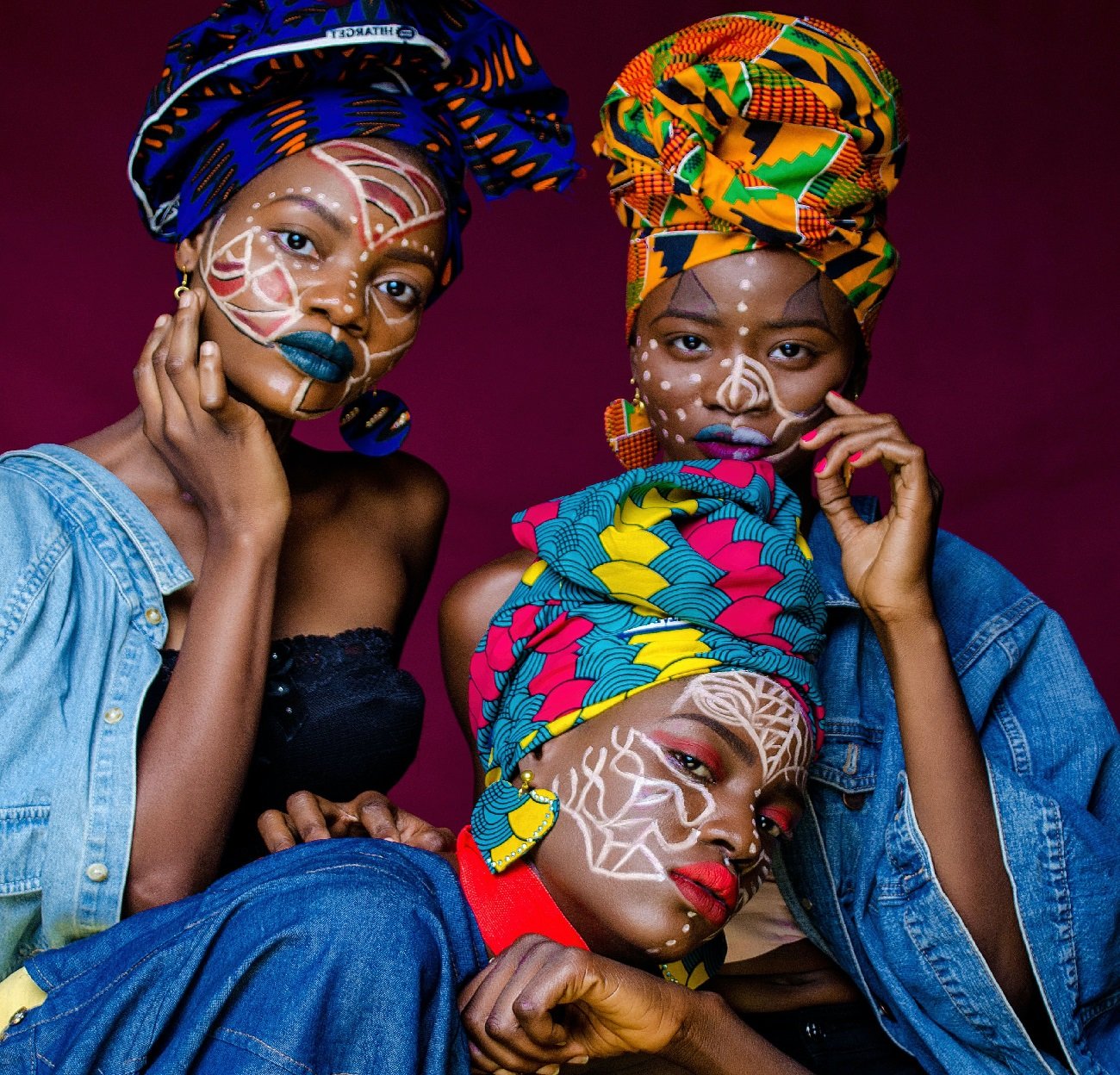
Introduction: Africa is a continent of vibrant cultures, diverse landscapes, and a rich heritage. Its colorful traditions and artistic expressions have captivated the world for centuries. From the intricate beadwork of the Maasai tribe in East Africa to the bold paintings of Ndebele women in South Africa, color tools play an essential role in African art. In this blog post, we will delve into the fascinating world of Africa's color tools, exploring the techniques, materials, and significance behind them. Traditional Dyes and Pigments: African art often relies on natural dyes and pigments derived from plants, minerals, and even insects. This connection to nature adds an organic and authentic touch to the vibrant colors used in African art. For instance, the bright yellows and oranges found in textiles from Senegal and Mali are often achieved using natural dyes, such as indigo and wood bark. Adire and Batik Techniques: In West Africa, the adire and batik techniques are widely practiced. Adire, which means "tie and dye" in Yoruba, involves tying or folding the fabric before applying dye to create unique patterns. The use of colors in adire fabrics varies, ranging from earthy tones to vibrant hues, depending on the region and cultural significance. Batik, on the other hand, involves applying hot wax to the fabric in specific patterns before dyeing it. This technique results in striking designs with an interplay of colors. Beadwork and Mosaics: Beadwork is a well-known art form in many African cultures, with each region having its unique style and symbolism. From the intricate beadwork of the Zulu people in South Africa to the Maasai beadwork in East Africa, beads are not only used for their aesthetic appeal but also for cultural identification and storytelling. The use of different colors of beads allows artists to create intricate patterns and convey meaningful messages through their work. Another form of color tool used in African art is mosaics. Mosaic art has a long history in Africa and is often seen in architectural designs of buildings, particularly in North Africa. Morocco is particularly famous for its vibrant and intricate mosaics, known as zellige, which showcase a mesmerizing range of colors and geometric patterns. Visual Symbolism: Color tools in African art are not just about aesthetics but also hold cultural and symbolic significance. Colors are used to represent emotions, societal status, or even spiritual connections. For example, red often symbolizes bravery and vitality, while blue is associated with spirituality and protection. Understanding the cultural meanings behind the colors used in African art adds another layer of appreciation for the mastery and stories behind the vibrant creations. Conclusion: Africa's color tools are essential elements in its rich artistic traditions. From natural dyes and pigments to intricate beadwork and vibrant mosaics, these tools allow artists to express their creativity and convey cultural messages through a vivid kaleidoscope of colors. Exploring the diverse color techniques used in African art not only provides a glimpse into the continent's cultural heritage but also encourages us to appreciate the beauty and significance of colors in our own lives. For more info http://www.colorsshow.com
Leave a Comment:
SEARCH
Recent News
- Zurich, Switzerland is a vibrant city known for its rich cultural scene and diverse music offerings. One unique aspect of Zurich's music scene is the presence of Sudanese music, which has found a home in the city's melting pot of cultures.
- Zurich, Switzerland is a vibrant city known for its picturesque landscapes, rich history, and diverse cultural scene. One fascinating aspect of Zurich's cultural tapestry is the influence of Sudanese culture in the city.
- Zurich, Switzerland is known for its multicultural atmosphere and diverse culinary scene. One of the lesser-known gems of Zurich's food scene is Sudanese cuisine. Sudanese cuisine is a reflection of the country's diverse cultural influences, blending Arabic, African, and Mediterranean flavors to create a unique and delicious culinary experience.
- Zurich, Switzerland, is a vibrant city known for its scenic beauty, rich history, and thriving business environment. One interesting aspect of Zurich's business landscape is the presence of Sudanese entrepreneurs who have made their mark in various industries in the city.
- Visiting Zurich, Switzerland, can be an enriching experience for music lovers from all corners of the world. While the city may not be the first place that comes to mind when thinking about South African music, Zurich's diverse music scene offers a glimpse into the vibrant sounds of this African nation.
- Zurich, Switzerland: A Hub for Libyan Trade
- Zurich, Switzerland is a city known for its picturesque landscapes, high quality of life, and thriving economy. Recently, Zurich has also been making headlines in the energy sector with its growing interest and investment in Libyan energy resources.
- Zurich, Switzerland is a vibrant city known for its high quality of life, scenic beauty, and strong economy. This makes it an attractive destination for businesses from all over the world, including those from Libya.
READ MORE
10 months ago Category :

Zurich, Switzerland is a vibrant city known for its rich cultural scene and diverse music offerings. One unique aspect of Zurich's music scene is the presence of Sudanese music, which has found a home in the city's melting pot of cultures.
Read More →10 months ago Category :

Zurich, Switzerland is a vibrant city known for its picturesque landscapes, rich history, and diverse cultural scene. One fascinating aspect of Zurich's cultural tapestry is the influence of Sudanese culture in the city.
Read More →10 months ago Category :

Zurich, Switzerland is known for its multicultural atmosphere and diverse culinary scene. One of the lesser-known gems of Zurich's food scene is Sudanese cuisine. Sudanese cuisine is a reflection of the country's diverse cultural influences, blending Arabic, African, and Mediterranean flavors to create a unique and delicious culinary experience.
Read More →10 months ago Category :
